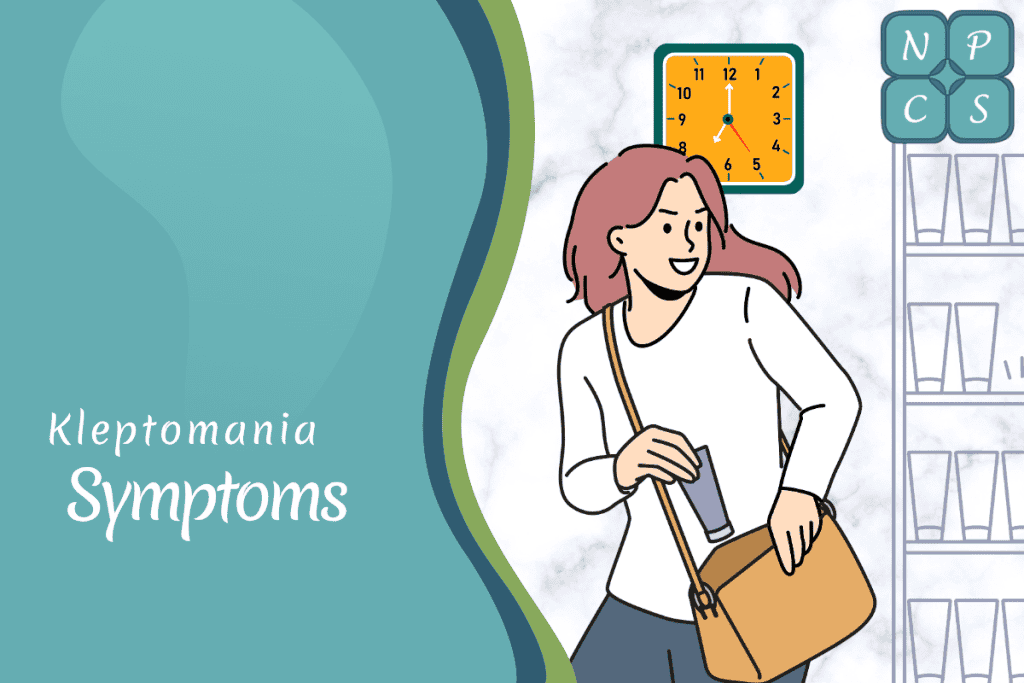
Kleptomania symptoms can be hard to talk about. Many people feel embarrassed, confused, or afraid to admit what is happening. They may wonder, “Why do I keep doing this?” or “Why can’t I just stop?”
Kleptomania symptoms usually involve a repeated pattern of strong urges to steal, tension before stealing, temporary relief afterward, and then guilt or shame. The person often does not need the item and may not steal for money or personal gain.
If these symptoms feel familiar, it does not mean you are beyond help. It means this pattern deserves care, honesty, and support from a mental health professional.
What Are Kleptomania Symptoms?
Kleptomania symptoms often happen in a cycle. The person may feel an urge building inside them. They may try to ignore it or talk themselves out of it, but the urge can feel intense.
Kleptomania is often understood as an impulse control disorder, which means the person struggles to resist the urge, even when they know there may be negative consequences. This pattern is different from choosing to shoplift for personal use or personal gain. With kleptomania, the stealing is usually tied to unwanted urges, tension, relief, and guilt.
After stealing, they may feel a short moment of relief. But that relief is often followed by guilt, shame, fear, or regret.
Common symptoms of kleptomania may include:
- Strong urges to steal
- Stealing items that are not needed
- Feeling tense before stealing
- Feeling relief after stealing
- Feeling guilt or shame afterward
- Trying to stop but struggling to do so
- Hiding the behavior
- Repeating the cycle over time

People with kleptomania often feel confused or ashamed because they do not always understand why the urge keeps coming back. Kleptomania may also occur alongside other mental health concerns, such as a substance use disorder or eating disorder, which is why a full assessment can be helpful.
Mayo Clinic describes kleptomania symptoms as including powerful urges to steal items that are not needed, increased tension before stealing, and relief or pleasure during the theft, often followed by shame or guilt.
With care and support, it is possible to treat kleptomania. Approaches like cognitive behavioral therapy and other behavioral strategies may help a person understand the cycle and build safer ways to manage urges.
Strong Urges to Steal
One of the clearest signs of kleptomania is a strong urge to steal.
Kleptomania is often described as an impulse control disorder, which means the person has trouble resisting an urge, even when they understand the possible harm. This urge may feel sudden, uncomfortable, or hard to resist. The person may not even want the item. They may already have enough money to buy it. They may also know stealing could create serious problems.
But in the moment, the urge may feel louder than logic.
This can be very upsetting because the person may think, “I know better. Why am I doing this?” That inner conflict is often part of what makes this disorder so painful.
Stealing Items That Are Not Needed
With kleptomania, the stolen item is often not something the person truly needs.
It may be small, inexpensive, or easy to afford. Sometimes the person does not use the item at all. They may hide it, give it away, throw it away, or forget about it.
This is one way kleptomania can look different from planned stealing or patterns connected to antisocial personality disorder. The behavior is less about the item itself and more about the urge, tension, and emotional release connected to the act. In some cases, this repeated pattern may be described as compulsive stealing.
Tension or Anxiety Before Stealing
Many people with kleptomania feel tension before stealing. This may feel like pressure building inside the body.
It may show up as:
- Anxiety
- Restlessness
- Racing thoughts
- Nervous energy
- Tightness in the body
- A feeling that the urge will not go away
- A strong need to “just do it” to feel relief
This tension can be one of the most uncomfortable parts of the cycle. The person may feel trapped between knowing they should not steal and feeling like they cannot calm the urge.
The exact cause of kleptomania is not always clear. For some people, brain chemistry, stress, or family history may play a role. Research has also looked at systems connected to serotonin and the opioid system, which can affect mood, urges, reward, and relief.
Relief After Stealing
After stealing, the person may feel a temporary sense of relief, release, or satisfaction.
This does not mean they are proud of the behavior. It does not mean they do not care. Often, the relief is short-lived and quickly replaced by guilt or fear.
This pattern can make the cycle more confusing. The brain may start to connect stealing with relief, even though the person feels terrible afterward. That is why professional support can be so important. Treatment can help the person learn safer ways to handle tension and urges.
Guilt, Shame, or Fear Afterward
After the moment passes, many people feel guilt, shame, fear, or regret.
They may think:
“What is wrong with me?”
“Why did I do that again?”
“What if someone finds out?”
“I promised myself I would stop.”
“I feel like a terrible person.”
This shame can be heavy. It can also make the problem harder to talk about. The person may hide what happened instead of asking for help.
But shame usually keeps people stuck. Healing often begins when the person can talk honestly with someone safe and trained to help.
Hiding the Behavior From Others
Another possible symptom is secrecy.
A person may hide stolen items, avoid questions, lie about where something came from, or stay away from conversations about money, shopping, or legal concerns.
This secrecy is often not about wanting to hurt others. It is usually connected to fear, shame, and embarrassment.
Still, secrecy can damage trust. Loved ones may feel confused or betrayed. The person struggling may feel more alone. This is why support should include both compassion and accountability.
Trying to Stop but Feeling Unable To
Many people with kleptomania do try to stop.
They may promise themselves it will never happen again. They may avoid stores for a while. They may throw away stolen items. They may feel deeply upset by their own behavior.
But then the urge returns.
This does not mean the person is not trying. It means the pattern may be stronger than willpower alone. A therapist can help the person understand the cycle and build a plan for what to do when urges show up.
When Kleptomania Symptoms Become Serious
Kleptomania symptoms should be taken seriously when they keep happening or begin causing harm.
It may be time to seek help if:
- The urges feel hard to control
- Stealing has happened more than once
- The person feels trapped in the cycle
- Shame is becoming overwhelming
- Loved ones are being affected
- There are legal concerns
- The person is avoiding stores or social situations
- Anxiety or depression is also present
Getting help early can reduce the risk of deeper emotional, relational, or legal problems.
Final Thoughts
Kleptomania symptoms can feel scary and shameful, but they are not a reason to give up on yourself. They are a signal that support is needed.
If these signs feel familiar, learning more about what kleptomania is can be a helpful first step. Treatment and support can help you understand the urges, interrupt the cycle, and move forward with more honesty and hope.
Until next time,