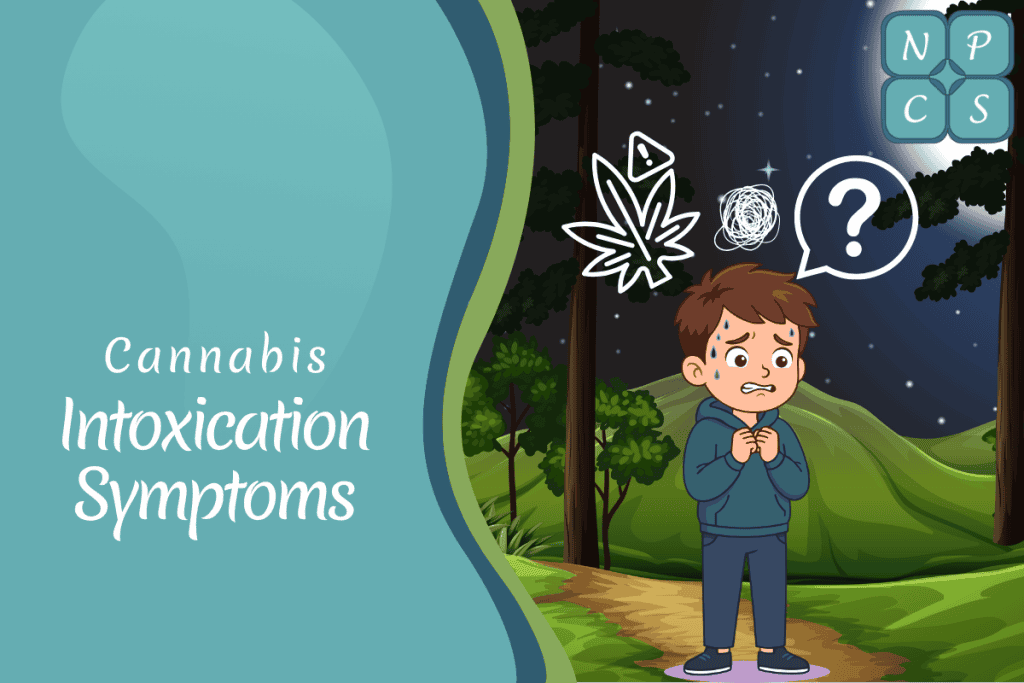
Cannabis intoxication can look different from one person to another. Some people become relaxed or sleepy, while others feel anxious, confused, or overwhelmed. Recognizing the signs can help you tell the difference between an expected high and a reaction that may need medical attention.
Cannabis intoxication symptoms are short-term changes in thinking, mood, perception, coordination, and body function that happen after cannabis use, especially products containing THC. Common signs include feeling high or relaxed, red eyes, dry mouth, increased appetite, slower reaction time, poor coordination, short-term memory problems, and changes in how time or surroundings are perceived. Some people also experience anxiety, panic, paranoia, confusion, or, with more severe intoxication, hallucinations or psychosis-like symptoms.
Most uncomplicated reactions improve as the effects wear off. Stronger symptoms can happen after a high dose, an unfamiliar product, or an edible that takes longer than expected to take effect.
What Are Cannabis Intoxication Symptoms?
THC, or tetrahydrocannabinol, is the main psychoactive cannabinoid in cannabis responsible for intoxication. During cannabis or marijuana intoxication, THC can temporarily affect attention, memory, coordination, mood, and perception.

Common cannabis intoxication symptoms can include:
- Relaxation or euphoria
- Sleepiness
- Increased appetite
- Red or bloodshot eyes
- Dry mouth
- Trouble concentrating
- Short-term memory problems
- Altered sense of time
- Slower reactions
- Poor balance or coordination
- Anxiety or panic
- Paranoia
- Confusion
MedlinePlus notes that cannabis intoxication can cause relaxation, sleepiness, mild euphoria, impaired short-term memory, dry mouth, red eyes, and problems with perception and motor skills. More serious adverse effects can include panic, paranoia, or acute psychosis.
The same amount of cannabis does not affect everyone the same way. Potency, dose, previous marijuana use, and how the product was consumed can all change how intense the symptoms feel. For example, people who smoke cannabis may feel the effects more quickly, while those who ingest an edible may experience a delayed onset that can make the effects harder to predict.
Mental and Emotional Signs to Watch For
Some cannabis or marijuana intoxication symptoms are most noticeable in the way a person thinks, speaks, or responds to others.
Trouble Following Thoughts or Conversations
A person may lose track of what they were saying, forget a question that was just asked, or struggle to follow a conversation. They may repeat themselves or need extra time to understand what is happening.
These changes are connected to the temporary effects marijuana can have on short-term memory and clear thinking.
Changes in Perception
Cannabis can change how a person experiences time, sounds, colors, distance, or other sensations. Time may seem to move slowly, or ordinary sights and sounds may feel more intense.
These changes can be disorienting and can make driving or other tasks that require quick judgment unsafe. Cannabis can slow reaction time, affect decision-making, impair coordination, and distort perception.
Anxiety, Panic, or Paranoia
Not every cannabis or marijuana high feels calm.
Some people become nervous, frightened, or suspicious. They may feel their heart racing and believe something is seriously wrong, or become convinced they are in danger even when they are safe. Cannabis intoxication can sometimes cause anxiety, panic, paranoia, or more severe changes in thinking.
A panic reaction can feel very real in the moment. Calm reassurance is usually more helpful than arguing about whether the fear makes sense.
Physical Signs of Cannabis Intoxication
The physical signs and symptoms of cannabis intoxication can vary depending on the person, the amount used, and the strength of the cannabis products involved. Common symptoms of marijuana intoxication may include:
- Red or glassy-looking eyes
- Dry mouth
- Increased hunger
- Sleepiness
- Slower movements
- Unsteady walking
- Poor coordination
- A faster or more noticeable heartbeat
- Delayed responses
These physical changes are part of the short-term intoxicating effects of cannabis. During acute marijuana intoxication, the effects of marijuana can slow reaction time, impair coordination, distort perception, and affect decision-making, which can make driving and other complex activities dangerous.
Someone who appears intoxicated should not drive or do anything where poor balance, delayed responses, or slower reactions could cause injury.
What Does “Too High” Look Like?
“Too high” is not a medical diagnosis. It is an informal way of describing acute intoxication that has become much stronger, more uncomfortable, or more impairing than expected. In more severe situations, symptoms may raise concern about marijuana toxicity.
Someone who has had too much cannabis may:
- Become extremely anxious or panicked
- Seem very confused
- Have difficulty standing or walking
- Become unusually sleepy
- Struggle to communicate clearly
- Become intensely paranoid
- Feel detached from reality
- See or hear things that are not there
The person may also say they feel as if they are going to die or lose control. Even when panic is driving the fear, the distress should still be taken seriously. Serious side effects may be more likely when a large amount of THC is consumed, particularly with marijuana edibles, because their effects can be delayed and harder to predict.
Do not assume cannabis explains every unusual symptom. Alcohol, medications, synthetic cannabinoids, other drugs, injuries, and medical problems can cause similar changes. If the person may have had an unknown exposure, symptoms are severe, or you are unsure what they took, getting medical advice is safer than guessing.
Why Edibles Can Lead to Stronger-Than-Expected Symptoms
Edibles are one way someone may accidentally become more intoxicated than intended.
Inhaled cannabis tends to produce effects relatively quickly. Edible cannabis takes longer to be absorbed, so a person may think the first dose “did not work” and take more before the full effects appear. MedlinePlus notes that eating cannabis can cause slower and sometimes less predictable effects.
This delay can lead to a much stronger experience than the person intended.
Extra caution is important around children. Cannabis gummies, chocolates, baked goods, and drinks can look like ordinary food or beverages. Accidental ingestion by a child should be taken seriously, and Poison Control can provide guidance based on the product, amount, age, and symptoms.
Can You Overdose on Cannabis?
Yes. A person can consume enough cannabis to experience severe intoxication or cannabis poisoning. This is different from a typical opioid overdose, but a severe reaction can still require medical care.
Warning signs may include:
- Severe panic or agitation
- Extreme confusion
- Hallucinations
- Intense paranoia
- Marked sleepiness
- Serious loss of coordination
- A very rapid heartbeat
- Inability to care for oneself safely
MedlinePlus describes high-dose cannabis reactions that can include anxiety, panic, rapid heartbeat, paranoia, and hallucinations. Poison Control also notes that cannabis toxicity can involve excessive sedation, impaired coordination, difficulty thinking clearly, and fast heart rate.
Severe symptoms should not be brushed off simply because cannabis is involved, especially when the person is a child, has taken an unknown amount, or has also used alcohol, medication, or another drug.
When Is Cannabis Intoxication an Emergency?
Most uncomfortable cannabis reactions do not become medical emergencies. Still, certain symptoms should not be managed at home.
Call 911 or your local emergency number if someone:
- Cannot be awakened
- Has trouble breathing
- Stops breathing
- Loses consciousness
- Has severe or rapidly worsening symptoms
- Becomes dangerously agitated or confused
- Is at risk of harming themselves or another person
- May have taken an unknown substance or multiple substances
MedlinePlus specifically advises emergency help when a person who has used cannabis has trouble breathing or cannot be awakened.
In the United States, Poison Control can also provide immediate guidance at 1-800-222-1222 for suspected cannabis poisoning or accidental ingestion. If the situation appears life-threatening, call 911 instead.
Final Thoughts
Cannabis intoxication symptoms can range from relaxation, red eyes, increased appetite, and slowed reactions to anxiety, panic, confusion, paranoia, or severe changes in perception. Paying attention to how strongly someone is impaired can help you decide whether they need a calm place to recover or urgent medical care.
If unwanted intoxication keeps happening or cannabis is creating problems with safety or daily life, consider talking with a mental health or substance use professional. Support can help you understand your pattern of use and make choices that feel safer and more manageable.
Until next time,