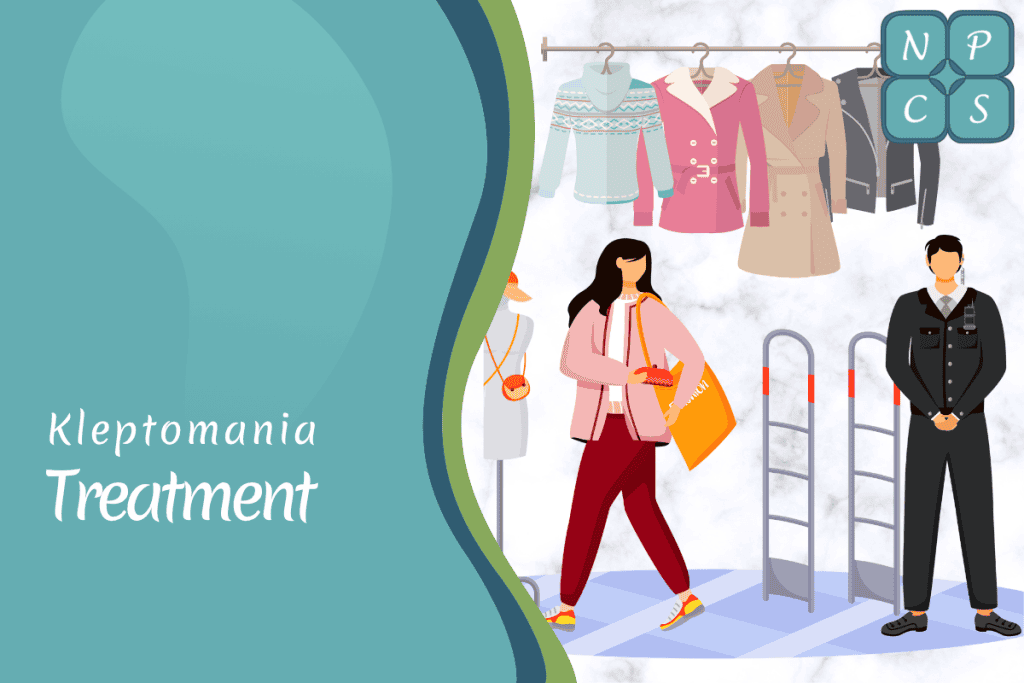
Kleptomania treatment can be hard to ask for because the topic often carries so much shame. A person may feel embarrassed, afraid of being judged, or worried about what will happen if they tell the truth.
But support can help. Kleptomania is often treatable with therapy, medication, or both. Treatment can help people understand their urges, reduce secrecy, and build safer ways to respond before the cycle repeats.
If you or someone you love is struggling with repeated urges to steal, you do not have to wait until things get worse. Help is available, and the first step can be taken with care and compassion.
Can Kleptomania Be Treated?
Yes, kleptomania can be treated.
There may not be one quick fix, and progress may take time. But treatment for kleptomania can help people learn what triggers the urge, what keeps the cycle going, and what skills can interrupt the pattern.
Kleptomania is often understood as an impulse control disorder. This means a person may struggle to resist the impulse to steal, even when they do not need the item and understand the possible consequences. They may steal items they do not plan to use, or they may feel confused about why the urge keeps coming back.
Mayo Clinic notes that treatment may include psychotherapy and medication. Cleveland Clinic also describes kleptomania as often treatable with therapy, medication, or both. In some cases, providers may consider medications that affect serotonin, such as selective serotonin reuptake inhibitors, depending on the person’s symptoms and other health conditions.

Treatment may help a person:
- Understand their urges
- Identify triggers
- Manage tension before stealing
- Reduce shame
- Build safer coping skills
- Repair relationships when possible
- Create a plan for high-risk situations
- Address anxiety, depression, trauma, substance use, or other concerns if present
Kleptomania may also occur alongside concerns like anxiety, depression, obsessive-compulsive patterns, or substance use disorders. This is why a full assessment can be helpful before choosing the best treatment plan.
The goal is not to shame the person. The goal is to help them take responsibility while also receiving the support they need.
Therapy for Kleptomania
Therapy is often an important part of kleptomania treatment. It can help people better understand the urge to steal and build healthier ways to respond before the behavior happens.
A therapist can help the person slow down and understand the pattern. Instead of only focusing on the stealing itself, therapy looks at what happens before, during, and after the urge. This can be especially helpful when the person does not want to shoplift, but still feels pulled toward the behavior.
- Therapy may explore questions like:
- What situations make the urge stronger?
- What emotions show up before stealing?
- What thoughts happen in the moment?
- What does the person feel right afterward?
- What shame or fear keeps the cycle hidden?
- What safer responses can be practiced?
Cognitive behavioral therapy, often called CBT, may be used to help people understand the connection between thoughts, feelings, urges, and behaviors. Therapy can also support people who are dealing with anxiety, depression, trauma, stress, or relationship problems alongside kleptomania.
The Diagnostic and Statistical Manual of Mental Disorders, published by the American Psychiatric Association, helps clinicians understand and diagnose mental health conditions. But treatment is not just about a label. The goal is to treat kleptomania with care, accountability, and practical support that helps the person break the cycle.
Learning Your Triggers
A trigger is something that makes an urge more likely to show up.
A trigger is not an excuse. It is information. When a person understands their triggers, they can plan ahead instead of feeling caught off guard.
Possible triggers may include:
- Stress
- Anxiety
- Loneliness
- Anger
- Boredom
- Shame
- Relationship conflict
- Feeling out of control
In treatment, a person may learn to track their urges. This can help them notice patterns over time.
For example, they may realize the urge is stronger after an argument, during stressful weeks, or when they feel emotionally numb. Once they see the pattern, they can begin building a plan.
Coping Skills for Kleptomania Urges
Coping skills are tools that help a person respond differently when the urge appears.
Helpful coping skills may include:
- Leaving the store when the urge gets strong
- Shopping with a trusted person
- Making a list before going into a store
- Avoiding high-risk stores when stressed
- Practicing deep breathing or grounding
- Calling or texting a support person
- Waiting 10 minutes before acting on the urge
- Keeping hands visible and occupied
- Using curbside pickup or delivery when needed
- Talking through urges with a therapist
One helpful skill is called “urge delay.” This means the person does not have to promise, “I will never feel this urge again.” Instead, they practice saying, “I can wait 10 minutes.” During that time, they leave the situation, breathe, text someone, or use another coping tool.
Small delays can create space. And space gives the person a better chance to choose a safer response.
Addressing Shame and Secrecy
Shame is one of the biggest barriers to kleptomania treatment.
Many people are afraid to say what is happening out loud. They may worry they will be judged, rejected, or treated like a bad person. So they hide the behavior. But hiding often allows the cycle to continue.
A good treatment plan makes room for both compassion and accountability.
That means the person can say:
“Yes, this behavior is serious.”
“Yes, I need to take responsibility.”
“And yes, I still deserve help.”
Healing does not happen through self-hatred. It happens through honesty, support, practice, and a willingness to face the pattern directly.
Medication and Medical Support
Some people may benefit from medication as part of their treatment plan. Medication decisions should always be made with a qualified medical provider, such as a physician, psychiatrist, or psychiatric provider.
Medication may be considered when a person also struggles with depression, anxiety, obsessive thoughts, or strong impulse-control symptoms.
It is important not to self-diagnose or self-medicate. A professional can help decide what options are appropriate based on the person’s symptoms, history, and needs.
Support and Accountability
Support can make a big difference.
Kleptomania often grows in secrecy. Support helps bring the struggle into the open in a safer way.
Support may include:
- Individual therapy
- Group therapy
- Support groups
- Family therapy
- A trusted accountability person
- A treatment plan for high-risk situations
Accountability should not be harsh or shaming. It should be clear, respectful, and practical.
For example, a person may agree to shop with someone else for a while, avoid certain stores, bring only the money they need, or check in with a therapist after difficult moments.
What If There Are Legal Concerns?
Kleptomania can lead to legal problems, so this part should be taken seriously.
A therapist can help with the emotional and behavioral side of the pattern. However, if there are legal concerns, it may also be important to speak with a legal professional. A therapist cannot replace legal advice.
If stealing has already led to consequences, treatment can still be helpful. Getting support may help the person understand the pattern, reduce future risk, and begin making healthier choices moving forward.
When to Seek Kleptomania Treatment
It may be time to seek treatment if:
- The urge to steal feels hard to control
- Stealing has happened more than once
- Shame or guilt feels overwhelming
- The behavior is being hidden from others
- Relationships are being affected
- There are legal concerns
- The person feels trapped in the cycle
- Anxiety, depression, or stress is also present
You do not need to wait until life falls apart before asking for help. Early support can make a real difference.
Final Thoughts
Kleptomania treatment is not about shaming someone into change. It is about helping them understand the urge, take responsibility, and build safer ways to cope.
If you feel caught in the cycle of urges, stealing, guilt, and shame, support can help. Learning more about understanding what kleptomania is and recognizing the symptoms of kleptomania can be the first step toward healing, honesty, and change.
Until next time,