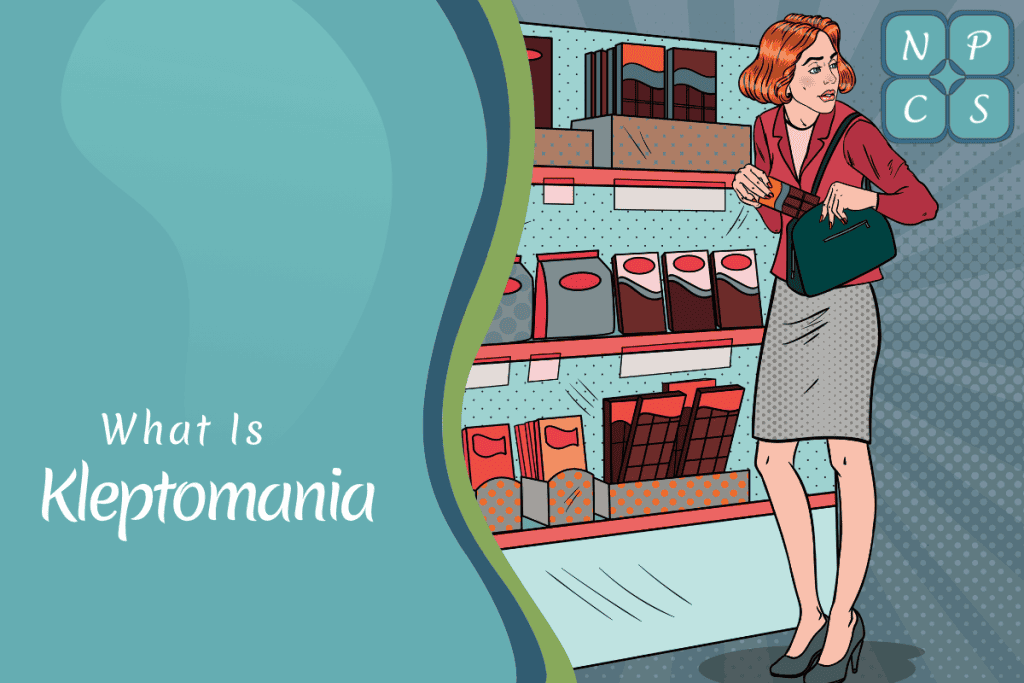
Kleptomania can be a confusing and painful condition to understand. Many people hear the word and think it simply means “stealing.” But kleptomania is more than that. It is often tied to strong urges, emotional tension, shame, guilt, and a repeated cycle that can feel hard to stop.
Kleptomania is a mental health disorder where a person repeatedly struggles to resist the urge to steal items they usually do not need or steal for money. The items may have little value. The person may even be able to afford them. The stealing is often not planned for profit, revenge, or personal gain. Instead, it is usually connected to an intense inner urge that feels difficult to control.
If this sounds familiar to you or someone you love, please know this: kleptomania is not a sign that someone is “bad.” It is a serious concern that deserves honesty, care, and professional support. Healing begins when the pattern is brought out of shame and into a safe place where help is possible.
What Is Kleptomania?
Kleptomania is often described as an impulse control disorder. This means a person has trouble resisting an urge, even when they know the action could hurt them or others. With kleptomania, that urge is connected to the act of stealing.
People with kleptomania may not want the item. They may not need it. They may feel confused about why they took it in the first place. This is different from someone who plans to shoplift for personal gain. Afterward, they may hide the item, give it away, throw it away, or keep it without using it.
This is one reason kleptomania can feel so distressing. The person may know the behavior is wrong, but still feel pulled into the same cycle again. Kleptomania often involves repeated urges that feel hard to control, even when the person understands the possible negative consequences.
That cycle may look like this:
- A strong urge to steal
- Growing tension, anxiety, or pressure
- Stealing the item
- Temporary relief or release
- Guilt, shame, fear, or regret afterward
- A promise to never do it again
- The urge returning later

These patterns are often part of the symptoms of kleptomania. Over time, this repeated pattern can become exhausting. It can affect a person’s peace, relationships, work, family life, and legal safety.
While kleptomania is a mental health disorder, it is important to remember that support is available. Treatment options like cognitive behavioral therapy and other behavioral approaches may help people better understand their urges, build coping skills, and learn safer ways to respond when the urge returns.
Is Kleptomania the Same as Stealing?
Kleptomania and stealing are not exactly the same thing.
Stealing is a behavior. Kleptomania is a mental health condition that can lead to stealing behavior. That difference matters because it helps us understand what may be happening underneath the behavior.
For example, stealing may be planned. A person may steal because they want the item or money, to avoid paying, or to get back at someone. With kleptomania, the stealing is usually not done for those reasons. It is often driven by a strong urge and followed by guilt or shame.
That does not mean the behavior should be ignored. Kleptomania can still have serious consequences. People are still responsible for their actions. But understanding the condition can help a person get the right kind of support instead of staying stuck in secrecy and shame.
What Are the Common Signs of Kleptomania?
Kleptomania can look different from person to person, but there are common signs that may show up. Because it is often understood as an impulse control disorder, the person may feel unable to stop the urge, even when they know the behavior could cause harm.
Some possible signs include:
- Repeated urges to steal
- Stealing items that are not needed
- Feeling tension before stealing
- Feeling relief, pleasure, or release after stealing
- Feeling guilt, shame, regret, or fear afterward
- Trying to stop but struggling to do so
- Hiding stolen items
- Avoiding conversations about the behavior
- Feeling trapped in a cycle
The Diagnostic and Statistical Manual of Mental Disorders, published by the American Psychiatric Association, describes mental health conditions based on specific patterns of symptoms. With kleptomania, the pattern often includes repeated difficulty resisting the urge to steal, even when the items have little personal or financial value.
Mayo Clinic lists symptoms such as being unable to resist strong urges to steal unneeded items, feeling increased tension before stealing, and feeling pleasure or relief during the theft, often followed by guilt or shame.
Kleptomania may also appear alongside other mental health concerns, such as a mood disorder, eating disorder, substance use disorder, or other substance use struggles. This does not mean every person with kleptomania has these concerns, but it can help explain why a full mental health assessment is important.
For a deeper explanation, you can read more about kleptomania symptoms.
What Causes Kleptomania?
There is no single cause of kleptomania. Like many mental health concerns, this disorder is usually more helpful to understand as a pattern that may develop from several different factors.
Possible contributing factors may include:
- Trouble with impulse control
- Stress or emotional overwhelm
- Anxiety
- Depression
- Shame
- Family history of mental health concerns
- Other impulse-control struggles
- Brain chemistry or reward-system patterns
Some research suggests that brain chemistry may play a role, including chemicals like serotonin, which can affect mood and impulse control. Serotonin is a type of neurotransmitter, or brain chemical, that helps nerve cells communicate. Reward-system patterns may also be involved, including systems connected to pleasure, relief, and even opioid pathways in the brain.
Some people may notice urges when they feel stressed, lonely, anxious, angry, or emotionally numb. Others may not understand what triggers the urge at first. That is one reason therapy can be helpful. It gives the person space to slow down and notice what happens before, during, and after the urge.
Kleptomania is not the same as conduct disorder or antisocial personality disorder, where stealing may be connected to different behavior patterns. With kleptomania, the stealing is often tied to an unwanted urge, tension, relief, and shame afterward.
The goal is not to blame the person. The goal is to understand the pattern so it can be treated with care and accountability. With the right support, it is possible to treat kleptomania and help the person build healthier ways to respond to urges.
How Kleptomania Can Affect Daily Life
Kleptomania can affect much more than the moment of stealing. It can create a painful ripple effect in many areas of life.
A person may feel constant fear of being caught. They may avoid certain stores, social situations, or conversations. They may feel ashamed around loved ones. Also, they may worry that people will see them differently if they know the truth.
Kleptomania can also affect relationships. Trust may be damaged. Family members may feel confused, hurt, or angry. The person struggling may feel defensive, embarrassed, or deeply alone.
It can also lead to legal problems. Even if the item is small or inexpensive, stealing can still have serious consequences. Mayo Clinic notes that kleptomania can cause emotional pain for the person and loved ones, as well as legal problems if untreated.
This is why support matters. The earlier someone gets help, the better chance they have of interrupting the cycle before it creates more harm.
Can Kleptomania Be Treated?
Yes, kleptomania can be treated. It may not disappear overnight, but treatment can help people understand their urges, reduce shame, and build safer ways to respond.
Treatment often includes therapy, coping skills, support, and sometimes medication when appropriate. Mayo Clinic notes that treatment may include psychotherapy and medicines. Cleveland Clinic also describes kleptomania as often treatable with therapy, medication, or both.
Therapy can help a person:
- Identify triggers
- Notice warning signs early
- Build coping skills
- Create a safety plan
- Address shame and secrecy
- Work through anxiety, depression, or trauma if present
- Take responsibility without falling into self-hatred
A therapist may help the person practice ways to delay the urge, leave a high-risk situation, ask for support, or plan ahead before entering places where urges are more likely to show up.
For more detail, you can read about kleptomania treatment.
When Should Someone Seek Help?
A person should consider seeking help if the urge to steal feels hard to control, keeps happening, or is causing emotional, relational, legal, or financial stress.
It may be time to reach out if:
- You have stolen more than once and feel scared it will happen again
- You feel unable to resist the urge
- You feel guilt, shame, or fear after stealing
- You are hiding the behavior from people you love
- Your relationships are being affected
- You are avoiding certain places because of the urge
- You are worried about legal consequences
- You feel trapped in the cycle
You do not need to wait until things get worse. Asking for help early is not a weakness. It is wisdom.
How Loved Ones Can Respond
If someone you love is struggling with kleptomania, it is normal to feel hurt, confused, or even angry. You may wonder why they keep doing something that causes pain or risk.
Try to hold two truths at once: the behavior matters, and the person still deserves support.
That means you do not need to excuse the stealing. You can still set boundaries. You can still be honest about how the behavior affects trust. But shame, name-calling, and constant criticism usually make people hide more.
Helpful responses may sound like:
“I care about you, but this pattern needs support.”
“I’m not here to shame you, but we do need to take this seriously.”
“I think it would be helpful to talk to a mental health professional.”
“We need a plan that protects you and others.”
Compassion does not mean ignoring the problem. Compassion means facing the problem with care, honesty, and hope.
Final Thoughts
Kleptomania can feel lonely, embarrassing, and hard to explain. But it is not hopeless. With the right support, people can begin to understand their urges, reduce shame, and build healthier ways to respond.
If you or someone you love is struggling with repeated urges to steal, you do not have to keep carrying it alone. Support is available, and taking one honest step toward help can be the beginning of real change.
Until next time,