
Most people go through life knowing who they are and what matters to them. But sometimes life shifts, emotions feel quiet, or your direction feels blurry, and the familiar “you” feels far away. This confusing middle is more common than we talk about, and it doesn’t mean you failed at life, it means your inner world is asking for attention, rest, or a reset.
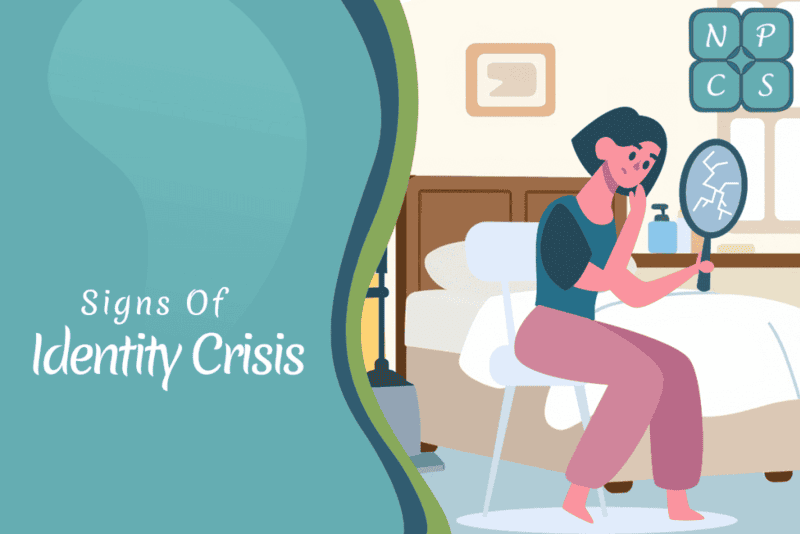
The signs of identity crisis can show up when a person feels like they don’t fully recognize themselves anymore. Some of the most important signs include feeling emotionally numb, struggling with decisions that once felt easy, losing interest in things they used to love, feeling like life is performed, not owned, and feeling disconnected from the future or their own values.
If you’re reading this, you might be noticing questions about yourself you can’t easily answer right now. That’s okay. Awareness is the first gentle step toward rebuilding. You don’t need to solve it today, you just need to begin noticing yourself again, with curiosity, kindness, and the right support walking beside you.
What Is an Identity Crisis?
An identity crisis is a long stretch of feeling like you don’t recognize yourself anymore. Many people describe it as losing the inner sense of identity, like the heart and mind feel disconnected from your own thoughts, preferences, or direction. The real self is still there, but it feels far away, blurry, or quiet in the background, making everyday life feel confusing or emotionally heavy. It’s also a period of disconnection from things that once felt natural, like your values, choices, interests, emotions, or self-image.
Unlike a hard day or a bad week, experiencing an identity crisis shows up as a longer pattern where confusion, emptiness, or uncertainty becomes the norm, not the exception. It can feel like you’re wearing roles instead of living from your own center. And while this can feel unsettling, it often signals a deeper shift in identity formation, a sign your system is realizing it’s time for something more honest, grounded, and personally aligned. With gentle self-reflection, this season can become the starting point for real clarity and growth.
Most Common Triggers That Lead to Identity Breakdown
An identity breakdown doesn’t usually happen out of nowhere. It often begins when life asks more from you than you have in the tank, or when a major chapter closes before you felt ready. Big transitions like a career change, losing someone important, moving far from home, a breakup, becoming a parent, or stepping into a new role can shake the foundation of your personal identity. Even positive changes can create identity shifts when they redefine your daily rhythm, relationships, or sense of purpose. When your external world moves faster than your internal world can adapt, identity issues can surface, making you feel cracked, blurry, or unsure of who you are becoming.
Past trauma or long seasons of stress and emotional burnout are also common triggers. Some people grew up shaping themselves around others’ expectations, rather than forming an authentic self rooted in their values and needs. Over time, this disconnect makes it harder to hear your own voice. This is why an identity crisis might appear when you feel stuck between the person you used to be and the version of yourself that hasn’t fully formed yet. This space of uncertainty is actually part of identity development and identity exploration, an evolving identity waking up to its need for clarity, connection, and support. It’s not a failure; it’s a sign of growth beginning.
Signs of Identity Crisis
The signs of an identity crisis don’t show up as one dramatic moment—they unfold quietly, like a slow fade in a movie where the sound turns low before anyone notices. When identity breaks down, it affects how you feel inside, how you choose, how you connect, and even how you see your future. Below are the most important signs, with simple explanations to help you recognize them clearly.

Feeling Like a Stranger to Yourself
Sometimes life moves forward, but your inner sense of self feels like it didn’t come along for the ride. You logically know it’s your life and your reflection, but emotionally it feels distant, blurry, or unfamiliar, like looking at a photograph instead of a person you feel inside of.
This doesn’t mean you’ve become someone else. It means the emotional connection to yourself is quiet right now, not missing forever. The awareness of that disconnection is actually a moment of clarity beginning.
Decisions Feel Harder Than Usual
People in an identity crisis often notice that choices they once made easily—big or small—now feel confusing or exhausting. It’s not always about the decision itself. It’s about the loss of the inner voice that once guided you with confidence and ease.
This can look like feeling stuck or doubting each option equally. It may also show up as avoiding decisions altogether because nothing feels like a true fit. That moment of choice paralysis is one of those big signs of identity crisis your system uses to wave a gentle internal flag.
Loss of Personal Spark in Your Interests
One of the most emotional signs of an identity crisis is that hobbies, passions, or interests you once loved start to feel emotionally flat. You don’t hate them. You just don’t feel them the same way right now, like the signal to joy is low, even though the love for the activity is still logically there.
This can feel like grief for a part of yourself you can’t connect to in the moment. It may also look like scrolling for inspiration, but nothing sticks or lights up emotionally. That lost-spark feeling isn’t apathy, it’s disconnection asking to be heard and supported.
Emotions Feel Flat or “Numb”
Many people describe this moment as emotional “buffering,” like the feelings that once felt personal or sharp turn quiet or far away. You may smile, cry, or respond, but the inside characteristic feeling of ownership is missing or muted.
Feeling emotionally flat doesn’t always mean sadness. It can mean the absence of self-connection or emotional safety. This numbness is one of the clearest signs of identity crisis, your emotional self has hit pause and needs space, safety, and reflection, not pressure.
Borrowing Identity From Others
When you feel unmoored inside, your mind and body may reach for templates found in other people, opinions, hobbies, tones, beliefs, to feel stable or less directionless. This can show up as mirroring personalities depending on who you’re talking to, even when you don’t mean to, or subtly adopting others’ preferences to feel socially safe.
This isn’t intentional copying like reinvention, it’s subconscious adapting like survival. It’s your system saying, “I need structure while I don’t feel steady alone.” And that’s okay. The key is noticing that you’re borrowing, not owning, and knowing you can rebuild from your own center again.
Life Feels Performed, Not Owned
Some people notice they’re doing all the “right” things, but it feels like reading lines off a script instead of living from their own truth. It may look functional from the outside, but inside it can feel hollow, disconnected, and unrecognized emotionally.
This performance mode isn’t a sign you’re fake. It’s a coping strategy your mind used to hold yourself when identity felt unstable or unclear. Noticing you’re performing more than living is itself a turning-point moment, one of the deeper signs of identity crisis that shows you’re waking up to the need to reconnect.
Trying on Different Versions of Yourself
During identity confusion, sudden shifts in how you dress, think, speak, believe, or who you surround yourself with may happen repeatedly. It can feel like trying on costumes of self-definition, hoping one feels emotionally accurate or safe.
Healthy growth-reinvention feels intentional and additive. Identity-crisis reinvention often feels like grasping or testing for an anchor. When you notice you’re experimenting because you feel lost inside, not because you’re expanding intentionally, that’s a gentle but important sign your identity is in breakdown mode.
Future Feels Far or Blank
In a full identity breakdown, your future may feel intimidating or emotionally blank. You can logically picture a plan ahead, but emotionally, it doesn’t feel like your plan, path, or timeline. That emotional absence makes future thinking feel unsettling or unclear.
This isn’t hopelessness, it’s a lack of personal connection to the future frame. Feeling like your future is not yours emotionally, but is blank or far away, is one of the big signs of identity crisis that asks for support, safety, and slow internal rebuilding.
Feeling Unmoored When Alone
When alone, you may feel unsettled, unsure, ungrounded, or anxious, not because you don’t like solitude, but because there is no external feedback, role, or identity to guide you through it.
Solitude stability often relies on internal self-connection, and when that connection is low, the system looks for outside anchors. Noticing that you don’t feel grounded or recognized in yourself when you’re alone doesn’t mean isolation, it means you’re realizing you’re ready to strengthen the identity felt inside, not just the one performed socially.
Repeating Inner Questions
Thoughts like “Who am I now? ” or “What actually matters to me? ” or “Is my identity mine or borrowed? ” may loop often. These questions can feel overwhelming or confusing, but they’re actually your mind finally asking the question it didn’t have space to ask earlier in life.
You’re not losing identity when you ask these questions; you’re noticing you want emotional ownership of yourself back again. The questions you repeat quietly inside are themselves one of the strongest signs of an identity crisis, that you are beginning to recognize the breakdown and are ready for clarity, reconnection, and support.
Final Thoughts
Losing your sense of self can feel heavy, confusing, and deeply personal. But it’s more common than people realize, and it doesn’t mean your story is falling apart, it means your story is shifting. Sometimes, we spend years being strong, adaptable, or tuned into others just to survive. Then one day, that survival version gets tired, and we finally notice the quiet question underneath: Who am I when I get to choose? That awareness can feel like loss, but it’s actually a beginning. It’s okay if the thread feels tangled or far away right now. You didn’t lose yourself on purpose, and you don’t have to fix yourself with pressure. You just have to start noticing again, one small truth at a time.
When identity breaks down, it creates space for something more honest, steady, and personally aligned to grow back. You don’t need to rebuild everything overnight. Slow steps, gentle curiosity, and support are enough. Healing isn’t loud, it often feels like waking back into your own life, one tiny choice, one real feeling, and one honest conversation at a time. If what you read here felt familiar, take heart, you’re not alone in it, and you don’t need to walk through the fog by yourself. And if you’re wondering whether it’s time to reach out, that wondering is your answer.
If this sounds like you, one calm conversation can change the direction. You don’t need answers today, you need a safe space to start noticing them again.
Until next time,