
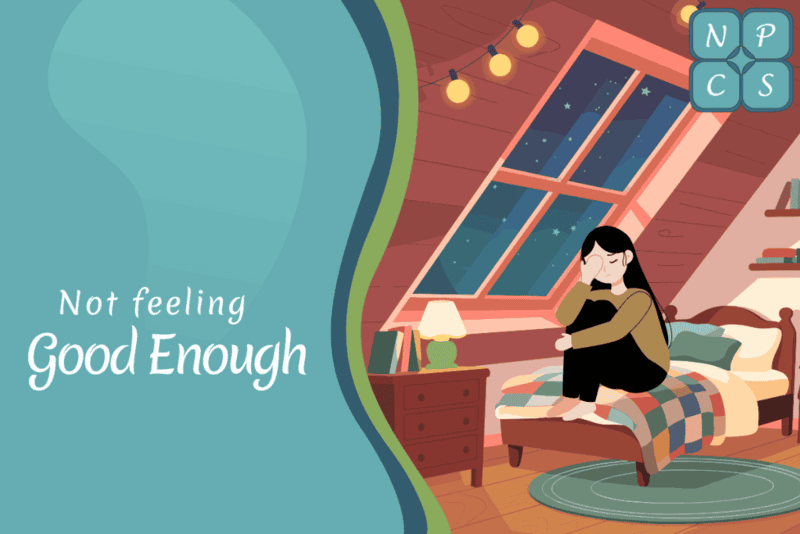
Feeling like you’re “too much” one day and “not enough” the next can make life feel small and heavy. You might work hard, keep smiling, and still wonder what’s wrong with you. Nothing is wrong with you. These feelings are common, and they can change.
Not Feeling Good Enough often grows from old messages we learned in childhood, perfectionism that keeps moving the bar, and shame that whispers, “You’re the problem.” Trauma and constant comparison can deepen the belief that you must shrink or perform to be accepted. That’s why you may apologize too much, hide parts of yourself, or push yourself until you burn out. In short: you’re not “too much” or “not enough”, you’re human, carrying learned stories that no longer fit.
The good news is that worth is not something you earn; it’s something you reclaim. In this guide, we’ll explain why these patterns show up, how to spot them, and simple, evidence-based steps to heal. You’ll learn how to calm the inner critic, set gentle boundaries, and take small actions that build real confidence. One kind step at a time is enough.
Why Do I Feel “Too Much” or “Not Enough”?
Many people feel not good enough because of old messages that have stuck. If you grew up with criticism, pressure to be perfect, or love that felt conditional, your brain learned to equate mistakes with being unworthy. Over time, this creates low self-esteem, where shame turns “I did something wrong” into “There is something wrong with me.” That belief often leads you to shrink so you don’t take up space, or overperform so you can feel safe and accepted.
These beliefs get reinforced by perfectionism, trauma, and constant comparison. When you compare yourself to others, especially in environments filled with unrealistic standards, your mind becomes vulnerable to negative thoughts that tell you you’re falling short. Trauma and past wounds can also wire your nervous system to scan for danger, even in moments that are calm. Over time, these patterns feed cycles of people-pleasing, emotional overwhelm, and symptoms of depression and anxiety, making you believe you’re “too much” or “not enough.”
The truth is, you are not broken. You learned strategies to survive—and now you’re learning new ones to heal. Naming your story, softening your inner voice, and taking small actions that align with your values slowly rebuild trust in yourself. With time and compassionate support, your mental health strengthens. You begin to hold both your depth and your limits with grace, showing up imperfectly without questioning your worth.
What Are the Signs of Not Feeling Good Enough?
You might notice harsh self-talk running in the background: “I always mess up,” “I’m too emotional,” “Why can’t I be better? ” This inner voice is quick to blame and slow to give credit. It often shows up with all-or-nothing striving, you push hard, aim for perfection, then crash into procrastination or burnout when perfection isn’t possible.

These beliefs can shape your behavior with others. Over-apologizing and people-pleasing look like saying yes to avoid rejection, explaining yourself too much, or fixing problems that aren’t yours. Boundary struggles follow: you hold back needs, avoid feedback, or stay quiet because you fear being “too much” if you speak up.
Emotionally, numbing can set in, feeling flat, disconnected from joy, or checking out to get through the day. In relationships, you may chase approval to feel safe or avoid closeness to prevent getting hurt. If this sounds familiar, it doesn’t mean you’re broken; it means old survival strategies are still running. Naming these signs is the first step to loosening the grip of not feeling good enough.
What Usually Causes These Feelings?
Many people learn “I’m not enough” early. Experiences like childhood trauma, criticism, perfection pressure, or emotional neglect teach a child to tie worth to performance. If you had to take on adult roles too soon (parentification), you may have learned that your needs don’t matter. These patterns often create low self-worth, setting up a belief that no matter what you do, it will never feel good enough, and these lessons follow you into adulthood, even when life is safer now.
Trauma and loss, rejection, bullying, and betrayal can quietly rewire safety. Your nervous system begins scanning for signs you’ll be “too much” or not wanted. This often feeds shame cycles: you feel inadequate, so you hide parts of yourself; the hiding brings more isolation and shame, which makes you feel unworthy, confirming the old belief. Over time, these patterns can also feed anxiety and depression, making it even harder to trust your own voice and sense of worth.
Our culture can make this louder. Metrics over meaning, like grades and output, turn life into a scoreboard, while social media shows everyone’s highlight reel. Sometimes belief systems are misapplied: humility becomes self-erasure, and having needs feels wrong. You may catch yourself thinking you’re never good enough, even when that voice isn’t rooted in truth. In reality, needs are human, not “too much,” and your self-worth isn’t something you earn. Healing means replacing old rules with kinder ones that honor both your depth and your limits.
What Actually Helps? Evidence-Based Tools You Can Start Today
First, name the story. When the inner critic flares, pause and say, “This is my not enough story showing up.” Naming it gives you a little space from it. Then do a quick thought check (CBT-light): What’s the evidence for this thought? What’s the evidence against it? What’s a kinder, truer alternative that still feels honest?
Next, try a self-compassion break (60–90 seconds). Put a hand on your chest, breathe, and say, “This is hard. I’m not alone. May I be kind to myself right now?” This isn’t fluffy; it calms your stress response and makes change easier. If it feels awkward, keep the words simple and sincere.
Support your body with nervous system resets. Use 4-6 breathing (inhale 4, exhale 6), a paced exhale for one minute, or the 5-4-3-2-1 grounding (name 5 things you see, 4 feel, 3 hear, 2 smell, and 1 taste). These tools bring you back to the present so thoughts don’t run the show.
Finally, rebuild trust in yourself through small actions. Choose values micro-steps, one tiny, meaningful action per day (e.g., send one honest text, take a 5-minute walk). Add behavioral activation: schedule one nourishing activity you’ve avoided. Small, repeatable wins grow real confidence; done kindly beats done perfectly.
A Gentle 7-Day Reset Plan To Loosen The Grip Of Never Good Enough Feelings
This is a simple, doable week to loosen the grip of never feeling good enough. Keep it light. Aim for small, repeatable wins, not perfection. If you miss a day, just pick up where you left off. These tiny practices are meant to help you feel calmer, clearer, and less self-critical, one step at a time.
Day 1: Notice your “not enough” moments; write one line each.
Day 2: Replace one harsh thought with a kinder, truer one. These two days build awareness and soften the thoughts and emotions that make you doubt yourself. You’re training your mind to spot the story and answer it with care.
Day 3: Do 5 minutes of breathing (e.g., inhale 4, exhale 6) and take one micro-win (a tiny task you can finish today).
Day 4: Say one boundary sentence, small and specific (e.g., “I can do Tuesday, not Monday”).
Day 5: Do one enjoyable activity you’ve postponed (even for 10 minutes). These days reset your body, protect your energy, and add real joy, fuel that begins to boost your self-esteem and remind you that you do deserve good things.
Day 6: Share one honest sentence with a safe person (“I’ve been hard on myself lately”).
Day 7: Review your wins and choose one practice to continue next week. Connection reduces shame. Reflection locks in progress. Keep the smallest action that helped most, and carry it forward. Little by little, you begin to feel worthy again, not because you did everything perfectly, but because you’re learning to show up authentically, just as you are.
Final Thoughts
Feeling “too much” or “not enough” doesn’t mean you’re broken; it means you learned to survive in hard places. Those old rules helped once, but they’re not the rules you have to live by now. With small, kind steps, you can build a steadier sense of worth, clearer boundaries, and a softer inner voice.
If this resonated, start with one gentle step this week, try the 7-day reset, write a kinder thought, or tell one safe person how you’re really doing. If you want more support, consider talking with a trusted friend or a licensed therapist in your area. You’re not alone, and you don’t have to rush. One small, honest step is enough.
Until next time,