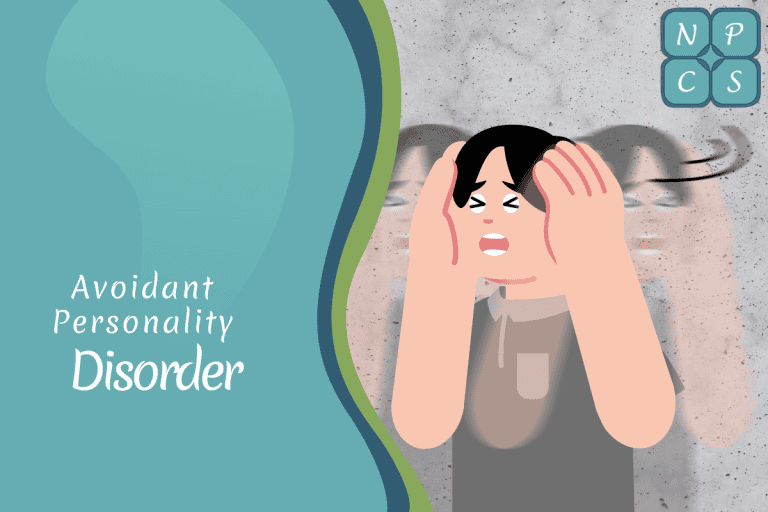

If you struggle with a deep fear of rejection, you may wonder where it began. Most people are not born believing they are not good enough. Those beliefs usually develop slowly over time, shaped by experiences and relationships.
The causes of avoidant personality disorder are rarely simple. This pattern often grows from a mix of early emotional experiences, trauma, and natural sensitivity. When fear and shame show up repeatedly in childhood or adolescence, the brain learns to protect itself.
Understanding the roots of avoidant personality disorder symptoms can reduce self-blame. When you see how your nervous system learned to survive, the focus shifts from “What’s wrong with me? ” to “What happened to me? ” That shift alone can begin healing.
There Is Rarely One Single Cause
Avoidant Personality Disorder (AvPD) does not usually come from one event. Instead, it develops over time through repeated experiences that shape how a person sees themselves and others. For many people with avoidant personality disorder, the roots trace back to early patterns that slowly shaped fear and withdrawal.
These experiences often involve:
- Feeling rejected or excluded
- Being criticized frequently
- Experiencing emotional neglect
- Growing up in a painful or unpredictable childhood environment
Over time, these patterns can affect self-esteem and create deep feelings of inadequacy. The brain adapts for protection. It learns that staying small, quiet, or distant may reduce emotional pain and help someone avoid social interaction that feels unsafe.
This is why avoidant personality disorder may develop gradually, especially in people who already have certain risk factors like sensitivity to rejection or chronic shame. While it shares overlap with social anxiety disorder (sometimes called social phobia), AvPD runs deeper into identity and long-term patterns of avoidance.
Causes Of Avoidant Personality Disorder

Early Rejection and Bullying
Repeated rejection in childhood can leave deep marks. Children are wired to belong. When a child is teased, excluded, or shamed, they may begin to believe they are flawed. Over time, this can lead to low self-esteem that follows them into adulthood.
Bullying can teach the nervous system that social situations are dangerous. The brain begins scanning for signs of rejection. Even neutral interactions may feel threatening later in life. While some children may simply appear shy, persistent withdrawal can go beyond shyness, especially for people with AvPD.
Avoidance then becomes a protective strategy. If you do not engage, you cannot be rejected. For many people with AvPD, this pattern slowly becomes part of their personality structure, which is why Avoidant Personality Disorder is classified as a Cluster C personality disorder in the Diagnostic and Statistical Manual of Mental Disorders published by the American Psychiatric Association.
Emotional Neglect and Attachment Wounds
Not all wounds come from obvious trauma. Emotional neglect can be just as powerful.
If a child’s feelings were dismissed, ignored, or minimized, they may learn that their emotions are too much or not important. Over time, this deepens self-doubt and reinforces patterns of withdrawal.
Attachment wounds develop when caregivers are inconsistent, critical, or emotionally unavailable. A child may want closeness but also feel unsure whether it is safe. This push-pull pattern can later show up as avoidance of relationships and may eventually contribute to the diagnosis of avoidant personality disorder by a mental health professional, especially when the patterns are long-standing and affect daily life.
Psychotherapy, including approaches like CBT, can help address these early wounds and rebuild healthier beliefs about connection and worth.
Trauma and the Nervous System
Trauma plays a significant role in many cases of avoidant personality disorder.
When someone experiences chronic stress, abuse, or unpredictable environments, the nervous system stays on high alert. The brain becomes wired to look for danger, including social danger.
Rejection may feel as threatening as physical harm because the body reacts with the same stress response. Heart rate increases. Muscles tense. The mind searches for escape.
Avoidance becomes the body’s way of calming itself.
Temperament and Natural Sensitivity
Some people are naturally more sensitive. This is not a weakness. Sensitivity can be a strength when it is supported.
However, if a highly sensitive child grows up in an environment where emotions are criticized or mocked, they may internalize shame more deeply. What could have been empathy and insight becomes withdrawal and self-doubt.
Personality traits interact with the environment. Sensitivity plus rejection can increase the risk of avoidant personality disorder symptoms.
The Role of Shame
Shame sits at the center of many avoidant patterns.
Shame is the belief that “I am flawed” rather than “I made a mistake.” When shame develops early and repeatedly, it becomes part of identity.
This deep shame fuels:
- Fear of rejection
- Extreme sensitivity to criticism
- Low self-worth
- Avoidance of relationships
Avoidance helps reduce the feeling of shame temporarily. But it does not resolve it.
How Avoidance Becomes a Long-Term Pattern
Avoidance works in the short term. It lowers anxiety immediately. If you skip the party, you do not feel judged. If you stay quiet, you avoid criticism.
The brain learns, “Avoidance equals safety.”
But over time, avoidance strengthens fear. Social skills do not develop fully. Confidence remains low. The belief of being inadequate becomes stronger.
This is how early protective strategies turn into long-standing patterns.
It Is About Protection, Not Defect
It is important to say this clearly: avoidant personality disorder is not a character flaw. It is usually a protective adaptation.
Your mind and body learned to protect you from emotional pain. They chose safety over risk. That choice made sense at the time.
The problem is not that you developed protection. The problem is that the protection now limits connection and growth.
Can Trauma-Informed Therapy Help?
Yes. Trauma-informed therapy focuses on safety first. It recognizes that avoidance developed for a reason.
Treatment may include:
- Understanding attachment patterns
- Gently processing past rejection or trauma
- Building nervous system regulation skills
- Challenging shame-based beliefs
- Practicing safe connection in small steps
Over time, the nervous system can learn that a connection does not always lead to harm.
If you would like a full overview of the condition, you can read our guide on Avoidant Personality Disorder: Symptoms, Causes, and Treatment. You may also find it helpful to explore what the symptoms of avoidant personality disorder are.
Final Thoughts
If you see yourself in these causes, please know this: your avoidance likely developed to protect you. It was a survival strategy, not a failure.
Healing begins when we approach these patterns with curiosity instead of judgment. With steady support, it is possible to build self-worth, reduce fear, and move toward meaningful connection.
You deserve relationships that feel safe. And you deserve support in building them.
Until next time,